


Location Icon
9266125888
Take our Vertigo Screening Quiz !

GAIT Lab

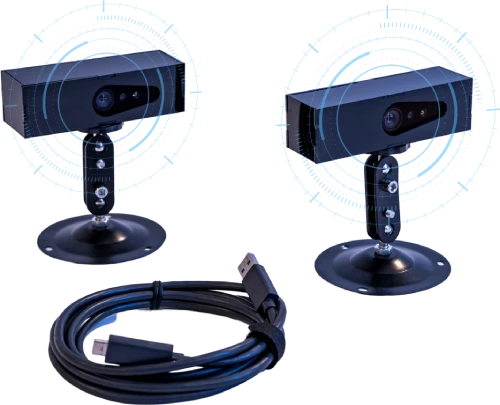
The NeuroEquilibrium GAIT Lab uses advanced computer vision to analyze human gait patterns, providing an objective tool for devising and tracking rehabilitation strategies. It integrates multiple systems, including the CNS, vestibular, and musculoskeletal systems, to offer a comprehensive analysis.

divider
banner-divider

What Is Gait Analysis?

Gait analysis is a fine assessment of the way an individual walks. It analyzes walking posture, length of stride, symmetry, speed, joint motion and balance in walking.

According to our observation, clinical gait analysis is based on objective measurements and technology to identify minute abnormalities that cannot be identified by the naked eye.

It is commonly used in:

  • Neurology
  • Vestibular & balance clinics
  • Orthopaedics
  • Rehabilitation medicine
  • Sports medicine

Who Should Get Gait Analysis?

You may benefit from gait analysis if you experience:

  • Frequent falls or even fear of falling.
  • Uneven or limping walk
  • Loss of balance or feeling light-headed as one walks.
  • Postoperative, poststroke, or post traumatic head injury difficulty.
  • Neurological diseases, e.g. Parkinson disease.
  • Permanent pain in knees, hips or back, that affects walking.
  • Poor posture or slow pace of walking.

How Gait Analysis Works

A clinical gait analysis typically involves:

  • Walking on a specialised walkway or treadmill
  • Motion tracking or pressure-sensitive platforms
  • Video or sensor-based movement recording
  • Evaluation by trained specialists

The test is:

  • Non-invasive
  • Painless
  • Safe for all age groups
  • Usually completed within 30–45 minutes

Patients are generally advised to wear comfortable clothing and walking shoes.

Benefits of Clinical Gait Analysis

Gait analysis goes beyond identifying a walking problem; it explains why the problem exists.

Key benefits include:

  • Early prevention of neurological or balance disorders.
  • Physical assessment of abnormalities in walking.
  • More successful treatment planning and rehabilitation.
  • Less chance of falling and getting injured.
  • Following-up on recovery or treatment.

This makes gait analysis an essential tool for long-term mobility and independence.

Gait Analysis Near Me: When Should You Book an Evaluation?

You should consider booking gait analysis if:

  • Difficulty in walking does not go away after a few weeks.
  • Symptoms are increasingly getting worse.
  • You are weak even on the level surface.
  • You already tested simple physiotherapy without any positive results.
  • Balance issues disrupt daily activities.

How Gait Analysis Helps in Diagnosis and Treatment

Gait analysis findings help clinicians:

  • Record the distinction between neurological, vestibular and musculoskeletal causes.
  • Determine the necessity of rehabilitation, medication or additional testing.
  • Construct focused therapy programs.
  • Measure progress across time.

This approach ensures treatment is evidence-based, not trial-and-error.

Divider border Icon
divider Border icon

Nationwide care with 200+ clinics in 54+ cities.

Visit a NeuroEquilibrium Clinic today!

Parameters Tracked

  • Step Length
  • Gait Cycle Duration
  • Stance (% of Gait Cycle)
  • Step Duration
  • Gait Speed
  • Stride Length
  • Double Support (% of Gait Cycle)
  • Swing (% of Gait Cycle)
  • Cadence
  • Arm Swing (per cycle)
Divider icon
divider icon

Features

  • 3D Reconstruction: Generates a 3D reconstruction of the patient’s gait in the sagittal plane without using markers.
  • Advanced Camera Setup: Utilizes two wide-angle cameras with a field of view (FOV) of at least 80 degrees and a high frame rate.
  • Comprehensive Video Recording: Records the patient’s video in both frontal and sagittal planes using a front camera and a side-mounted camera.
  • Concatenated Final Video: Creates a final video by combining input frames from both the side and front cameras.
  • Marker-less Gait lab- does not require markers to be put on the patient

NeuroEquilibrium GAIT Lab provides clinicians and therapists with an advanced, accurate, and comprehensive tool for analyzing gait and planning effective rehabilitation strategies, ensuring better outcomes for patients with gait disorders.

Frequently Asked Questions

How much does gait analysis cost?

Gait analysis is very expensive depending on the location and mode of doing it. Simple gait measurements at retail outlets may be free or very low and more detailed clinical gait measurements of a specialist clinic by using motion-capture devices and professional interpretation may cost moderate to high fees. Biomechanical gait assessments conducted by professionalized treadmills are generally more expensive than video gait assessments on treadmills.

Simple gait is measurable at home with smartphone video records as one walks or runs on a level surface. Review the video to note the stride, foot strike, knee position and symmetry. Apps and wearable sensors, which monitor cadence and step patterns, are also available. Yet, professional tools and expertise are the most appropriate to attain clinical accuracy and interpretation.

A gait test is an assessment of the way in which you walk or run and it is conducted on the basis of measuring the length of stride, cadence, foot strike, balance, joint movement, and symmetry between the left and right sides. Clinical gait analysis could also quantify forces, timing, and muscle activity to identify abnormalities or ineffectiveness that might be the causes of pain, injury risk, or mobility disability. 

Clinical gait analysis can best address individuals with chronic pain, mobility deficits, repetitive injuries, neurological, or abnormal gait patterns affecting their everyday activities and sporting performance. Biomechanical assessment and intervention plans are frequently the most useful to athletes, people rehabilitating after injury, or with chronic joint or balance issues.

Your progress will be tracked through regular follow-up tests. You’ll repeat the gait test from time to time to see how much you’ve improved. Signs like better balance, faster walking, or smoother steps show the treatment is working. Your therapy plan will be adjusted based on your progress, and your care team will keep you informed and encouraged every step of the way.

footer-divider icon
divider
हिन्दीతెలుగు

Book an Appointment for Vertigo profile test


Is your walk unsteady or irregular? A Gait Lab test can help—book an appointment.




